
Table of Contents
- What Is a Cupola on a Shed?
- Functional Benefits of Shed Cupolas
- Aesthetic and Property Value Impact
- Average Cost of Cupola Installation
- How to Choose the Right Size Cupola
- Maintenance and Long-Term Durability
- Is a Cupola Worth It for Your Shed?
- Frequently Asked Questions
Last Updated: September 25, 2026
What Is a Cupola on a Shed?
A cupola on a shed is a small, decorative tower structure mounted on the roof that combines functional ventilation with classic architectural appeal. It sits at the peak of your roof, typically featuring an open or louvered design that allows air to circulate through the building while adding a finished, polished look to an otherwise plain structure.
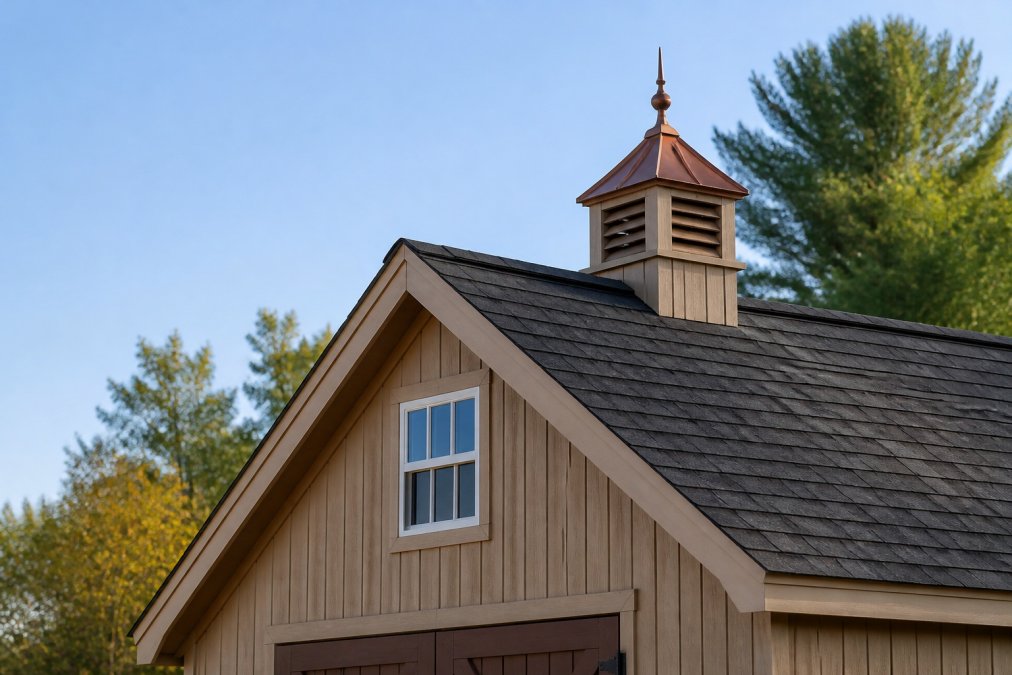
A cupola serves two purposes: it provides functional ventilation by reducing moisture buildup and condensation, and it delivers aesthetic enhancement that signals intentional design. Unlike a vent pipe or exhaust fan, a cupola is visible and transforms how the entire building reads on your property.
Amish Country Cupolas and Toys specializes in handcrafted cupolas built with the same attention to detail found in traditional barn architecture. Our Shed Series cupolas are specifically sized for smaller buildings, built with durable azek/vinyl materials, and available in multiple roof styles to match your building's aesthetic.

Functional Benefits of Shed Cupolas
A cupola creates passive ventilation by allowing hot air and moisture to escape through open louvers while fresh air enters through other openings, creating continuous airflow circulation without electricity or moving parts. This reduces condensation on metal tools, prevents wood warping and rot, extends paint life, and protects humidity-sensitive items like artwork, books, and electronics.
Ventilation efficiency depends on roof pitch and cupola size. A steeper roof pitch creates better natural draft, and a larger cupola moves more air volume. However, a cupola alone doesn't solve severe moisture problems, if water is actively leaking into your shed or the foundation is damp, a cupola helps but doesn't fix the core issue.
Aesthetic and Property Value Impact
A cupola makes a shed look intentionally designed rather than hastily assembled. The aesthetic appeal is immediate and visible from the street, transforming a plain shed into an architectural feature.
Average Cost of Cupola Installation
Pricing for shed cupolas from Amish Country Cupolas and Toys ranges based on size, materials, and customization:
- Shed Series: $279.00
- Shed Series Window: $375.00
- Classic Series: $448.00
- CNC Window Series: $456.00
How to Choose the Right Size Cupola
Cupola proportions matter enormously. A small shed (8' × 10') typically works with a 12"-18" wide cupola. A larger shed (12' × 16') can handle 18"-24". A garage (20' × 24') might accommodate 24"-30".

Maintenance and Long-Term Durability
A cupola requires ongoing care. Maintenance frequency and cost vary dramatically by climate, directly impacting whether the cupola remains an asset or becomes a liability.
The Maintenance Reality by Climate Zone
Mild climates (low snow, moderate humidity):
- Annual visual inspection of flashing and sealant
- Debris clearing from louvers 2-3 times yearly
- Sealant reapplication every 4-5 years
- Repainting/resealing every 5-7 years
- Expected annual maintenance cost: $50-$150
Moderate climates (seasonal snow, variable humidity):
- Inspection after winter and after heavy rain events
- Debris clearing 3-4 times yearly
- Sealant inspection and touch-up annually
- Flashing inspection for ice dam damage in spring
- Repainting/resealing every 3-5 years
- Expected annual maintenance cost: $150-$300
Harsh climates (heavy snow, freeze-thaw cycles, high humidity):
- Inspection before and after winter, plus after major storms
- Monthly debris clearing during fall and spring
- Sealant inspection and reapplication annually
- Flashing inspection for ice dam damage and separation
- Repainting/resealing every 2-3 years
- Expected annual maintenance cost: $300-$500+
Critical Maintenance Checklist: Preventing Failure
Flashing failure is the most common cupola problem, almost always caused by poor installation or neglected maintenance. Use this checklist quarterly and after major weather events:
Quarterly Inspection:
- Check for water stains on the wall below the cupola
- Look for visible gaps between the cupola base and the roof
- Inspect sealant around the cupola perimeter for cracks or separation
- Check the cupola roof for missing shingles or deterioration
- Clear leaves, branches, or debris from the cupola louvers
After Heavy Rain or Storm:
- Check the interior roof area directly below the cupola for water stains or drips
- Look for water pooling or dampness on interior walls near the cupola base
- Inspect the cupola exterior for damage or displaced flashing
Spring (post-winter):
- Check for ice dam damage around the cupola base
- Inspect flashing for separation caused by freeze-thaw cycles
- Look for water stains indicating winter leaks
- Test sealant, it should feel firm, not cracked or soft
Fall (pre-winter):
- Clear gutters and roof of debris that could trap moisture
- Inspect and repair sealant cracks before freeze-thaw cycles
- Check that louvers are clear and not blocked
Material Durability and Maintenance Burden
Azek/Vinyl cupolas (like those from Amish Country Cupolas and Toys):
- Resist rot and decay better than wood
- Don't warp or split in freeze-thaw cycles
- Require less frequent repainting (every 5-7 years vs. 2-3 for wood)
- Best for high-humidity and freeze-thaw climates
- Lower long-term maintenance cost: $50-$300 annually
Wood cupolas:
- More susceptible to rot, warping, and splitting
- Require more frequent painting/staining (every 2-3 years)
- More vulnerable to moisture damage if flashing fails
- Higher long-term maintenance cost: $150-$400+ annually
Metal roofs (copper or aluminum):
- Longest lifespan (30+ years) but highest upfront cost
- Require periodic cleaning to prevent corrosion
- Sealant and flashing still require regular attention
The Hidden Cost: Flashing Replacement
If flashing fails, replacement costs $300-$800 and requires removing the cupola, replacing the flashing, and reinstalling. Preventing flashing failure through regular sealant maintenance is far cheaper than replacing flashing after water damage occurs.
Long-Term Ownership Cost
Budget for the full cost of ownership:
- Year 1: Installation ($300-$800) + initial inspection
- Years 2-5: Annual maintenance ($50-$500 depending on climate) + sealant reapplication ($100-$200 every 2-3 years)
- Years 5-10: Repainting/resealing ($300-$600) + potential flashing inspection ($100-$300) + continued annual maintenance
- Year 10+: Potential flashing replacement ($300-$800) or major repairs
Total 10-year cost for mild climate: $1,200-$2,000 Total 10-year cost for moderate climate: $2,000-$3,500 Total 10-year cost for harsh climate: $3,500-$6,000+
Is a Cupola Worth It for Your Shed?
The honest answer depends on three factors: your climate zone, your property's architectural style, and your maintenance commitment.
Climate-Specific Worth-It Analysis
High-humidity regions (Southeast, Gulf Coast, Pacific Northwest):
Worth it. The functional ventilation benefit is substantial. A cupola meaningfully reduces humidity levels, extending the life of stored items and the shed structure itself. Azek/vinyl cupolas are preferred in high-humidity climates. Budget $150-$300 annually for maintenance.
Moderate climates (Mid-Atlantic, Midwest, Northern California):
High-wind regions (Great Plains, coastal areas, tornado-prone zones):
The Property Style and Visibility Factor
Two questions determine aesthetic ROI:
- Is your shed visible from the street or main approach to your home? If yes, a cupola meaningfully improves curb appeal. If hidden, the aesthetic benefit is zero.
- Does your property's architecture support a cupola? Traditional, rustic, farmhouse, and cottage styles benefit. Modern, minimalist, industrial, and contemporary styles typically don't.
If both answers are yes, the aesthetic value is real. If either is no, you're left with functional ventilation alone.
The Maintenance Commitment Reality
A cupola requires quarterly inspection and annual sealant maintenance. If you're uncomfortable working at heights, inspecting flashing, or budgeting $100-$500 annually, a cupola becomes a source of stress rather than satisfaction.
Decision Framework: When to Install
Install a cupola if:
- Your climate is mild to moderate (zones 6-10)
- Your shed is visible from the street or main property approach
- Your property's architecture is traditional, rustic, or farmhouse-influenced
- You're willing to perform quarterly inspections and annual maintenance
- You're comfortable budgeting $100-$300 annually for upkeep
- You plan to stay in your home for at least 7-10 years
Skip the cupola if:
- Your climate is harsh (heavy snow, extreme winds, intense freeze-thaw cycles)
- Your shed is hidden from view
- Your property's architecture is modern or minimalist
- You're uncomfortable with maintenance or working at heights
- You're on a tight budget and can't absorb $100-$500 annual maintenance costs
- You plan to move within 5 years
The Real ROI Question
A cupola is a quality-of-life upgrade more than a financial investment. It makes your property look intentional and your shed function better. In mild climates with visible sheds and traditional architecture, those benefits are worth the cost. In harsh climates, hidden sheds, or modern properties, they're not.
Frequently Asked Questions
What are the primary functional benefits of a shed cupola?
A cupola on a shed improves airflow circulation and reduces moisture buildup by creating natural ventilation through the roof. This helps prevent condensation, mold growth, and structural decay in stored items and the building itself. The ridge vent design allows hot air and humidity to escape, which is especially valuable in humid climates. Beyond ventilation, a cupola adds architectural character and curb appeal, enhancing the aesthetic proportion of your shed's roof pitch and overall design.
How much does it cost to install a cupola on a shed?
Cupola costs vary by size and materials. The Shed Series from Amish Country Cupolas and Toys starts at $279 for a basic model and $375 for a window version, designed specifically for smaller buildings. The Classic Series begins at $448, while the CNC Window Series costs $456. Installation costs depend on roof pitch, flashing requirements, and whether you hire a professional. Budget an additional $200-$600 for professional installation labor, though many homeowners with roofing experience handle this themselves.
Does a cupola increase the resale value of a property?
A well-installed cupola can enhance curb appeal and may appeal to buyers who value aesthetic enhancement and architectural detail. However, the ROI depends on your local market, the quality of installation, and how well the cupola's proportions match your shed's roof slope. A properly sized, high-quality cupola built with decay-resistant materials and proper weatherproofing can contribute to perceived property value, but it typically doesn't provide a direct dollar-for-dollar return on investment.
How do I know if a cupola will fit my shed without looking oversized?
Choose a cupola width that is roughly 1/8 to 1/12 of your shed's width at the base. For example, a 12-foot-wide shed works well with a 12-16 inch cupola. Your roof pitch matters significantly—steeper roofs can accommodate slightly larger cupolas while maintaining aesthetic proportion. Always specify your roof pitch when ordering, as manufacturers like Amish Country Cupolas and Toys build accordingly.